
Total hip arthroplasty (THA), or hip replacement, is a highly successful surgical procedure designed to relieve pain and restore function in patients suffering from severe hip arthritis. THA significantly improves quality of life; however, some patients may develop complications. One of the most important long-term complications is prosthesis loosening. Understanding its causes, symptoms, diagnostic methods, and treatment options can help patients make informed decisions and seek timely medical intervention.
Total hip arthroplasty involves surgically replacing the damaged cartilage and bone of the hip joint with prosthetic components made of titanium, polyethylene, or ceramic materials. These implants are designed to mimic the natural movement of the hip, thereby reducing pain and improving mobility. The procedure is usually recommended for patients with severe osteoarthritis or rheumatoid arthritis who have not found relief through conservative treatments such as medications, physiotherapy, or injections.
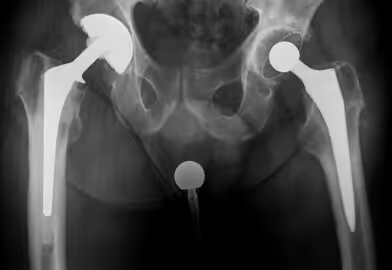
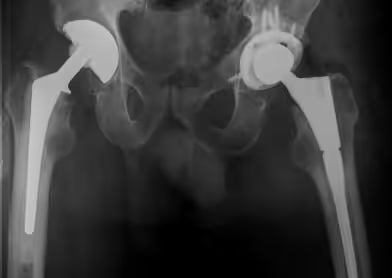
Periprosthetic loosening is one of the most common long-term complications following THA. It occurs when the bone fails to properly integrate with the implant (osseointegration), leading to instability. Several factors may contribute:
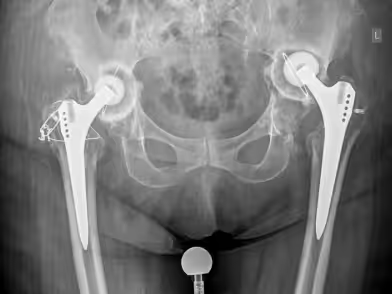
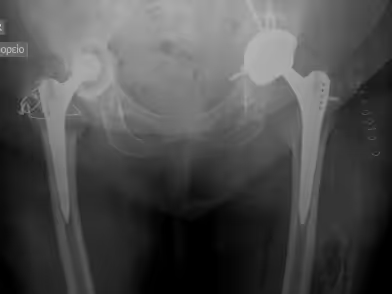
Patients with prosthesis loosening after THA may experience a range of symptoms, which can vary in severity:

Stop living in pain, improve the quality of your life!
Diagnosis of prosthesis loosening combines clinical, imaging, and sometimes laboratory assessments. Commonly used imaging studies include:
In some cases, blood tests or joint aspiration (hip fluid sampling) may be performed to rule out infection. Elevated inflammatory markers or positive cultures suggest periprosthetic infection requiring urgent treatment.
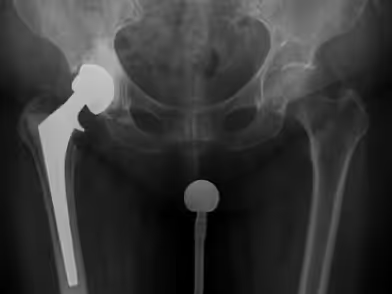
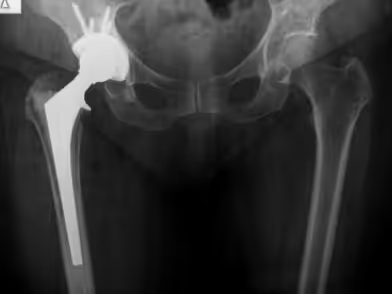
Management depends on the severity of the condition and underlying cause:
Total hip arthroplasty can greatly improve the quality of life for patients with severe hip pain. However, it is important to be aware of potential complications such as periprosthetic loosening. By recognizing the causes and symptoms, patients can seek early medical attention. If you suspect prosthesis loosening after hip replacement, consult your orthopedic surgeon promptly to discuss the best course of action.
to guide you about your condition, so you can choose the best possible treatment for it.
We use cookies to improve your experience on our site. By using our site, you consent to cookies.
Manage your cookie preferences below:
Essential cookies enable basic functions and are necessary for the proper function of the website.
These cookies are needed for adding comments on this website.
Google reCAPTCHA helps protect websites from spam and abuse by verifying user interactions through challenges.
Google Tag Manager simplifies the management of marketing tags on your website without code changes.
Marketing cookies are used to follow visitors to websites. The intention is to show ads that are relevant and engaging to the individual user.
Google Maps is a web mapping service providing satellite imagery, real-time navigation, and location-based information.
Service URL: policies.google.com (opens in a new window)