
Orthopedic Conditions
Hip
Hip pain follows a recognisable pattern: it is felt in the groin, radiates down the front of the thigh and often reaches the knee. Patients typically grip the area between thumb and index finger in a C shape. Pain in the buttock or on the outer side usually has a different origin — the lumbar spine or the tendons around the greater trochanter.
 Adult Dysplasia of the Hip
Hip dysplasia is a developmental disorder of the hip joint in which the acetabulum (the socket of the joint) does not adequately cover the femoral head.…
Learn more
Adult Dysplasia of the Hip
Hip dysplasia is a developmental disorder of the hip joint in which the acetabulum (the socket of the joint) does not adequately cover the femoral head.…
Learn more
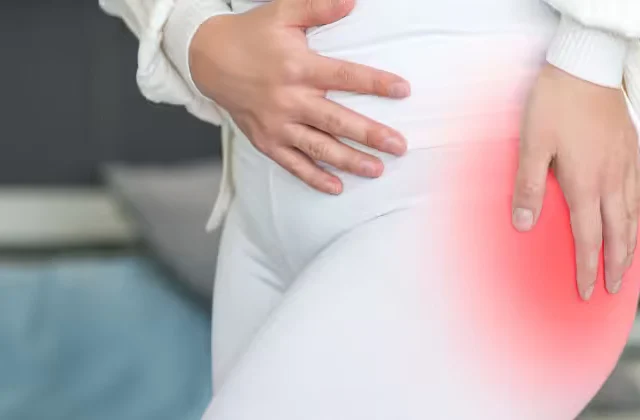 Avascular Necrosis of the Hip
Avascular necrosis of the hip (also called osteonecrosis or aseptic necrosis of the femoral head) is a serious condition in which the blood supply to the…
Learn more
Avascular Necrosis of the Hip
Avascular necrosis of the hip (also called osteonecrosis or aseptic necrosis of the femoral head) is a serious condition in which the blood supply to the…
Learn more
 Hip Fracture
A hip fracture is a serious injury that mainly affects older patients with osteoporosis, but also younger people after high-energy trauma. It is an orthopedic emergency…
Learn more
Hip Fracture
A hip fracture is a serious injury that mainly affects older patients with osteoporosis, but also younger people after high-energy trauma. It is an orthopedic emergency…
Learn more
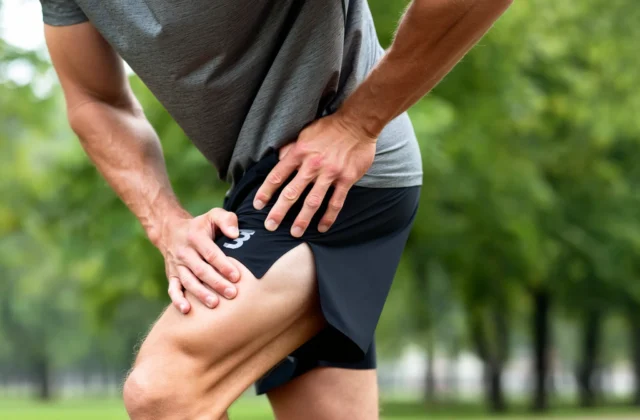 Hip Labral Tear
The acetabular labrum, or simply the labrum, is a fibrocartilaginous ring that surrounds the acetabulum. It deepens the joint, seals in the joint fluid and contributes…
Learn more
Hip Labral Tear
The acetabular labrum, or simply the labrum, is a fibrocartilaginous ring that surrounds the acetabulum. It deepens the joint, seals in the joint fluid and contributes…
Learn more
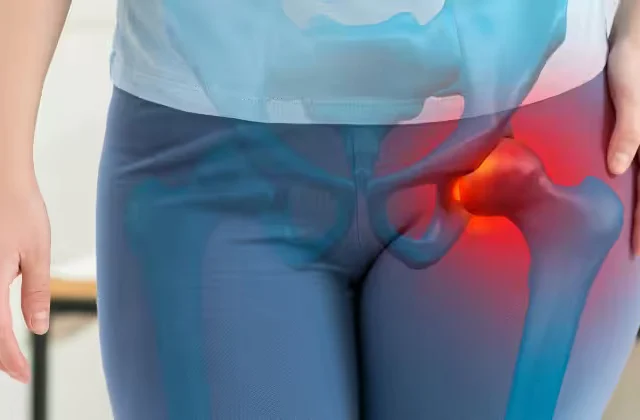 Hip Osteoarthritis
Hip osteoarthritis is one of the commonest causes of chronic pain and stiffness in the hip and groin, particularly in older people. It is a degenerative…
Learn more
Hip Osteoarthritis
Hip osteoarthritis is one of the commonest causes of chronic pain and stiffness in the hip and groin, particularly in older people. It is a degenerative…
Learn more
 Total Hip Replacement Loosening
Loosening of a total hip replacement is one of the commonest causes of failure of an artificial joint and of the need for revision. It is…
Learn more
Total Hip Replacement Loosening
Loosening of a total hip replacement is one of the commonest causes of failure of an artificial joint and of the need for revision. It is…
Learn more
The early signs
Stiffness in the morning or after sitting that eases within minutes. Difficulty putting on socks and shoes or cutting toenails. A walking distance that keeps shrinking. A limp. And, in advanced disease, pain at night. On examination, internal rotation is the first movement to be lost.
The main causes
Osteoarthritis is the most common. Next come avascular necrosis of the femoral head, which often affects patients in their thirties and forties and progresses silently, adult dysplasia and femoroacetabular impingement with labral tearing, fractures, tendon and synovial inflammation, and problems following a previous replacement.
Why timing matters
Several of these conditions have a window during which the joint can still be preserved. In avascular necrosis that window closes when the femoral head collapses. In impingement it closes when the cartilage is destroyed. An early MRI in a patient with unexplained hip pain and a risk factor is often the single most decisive investigation.
Contact
Book an appointment with Dr. Tsarouhas
Fill in the form with the time that suits you and we will contact you, or call us directly.
Call us 210 6464 744-
Petroupoli 1 Agias Triados St., 132 31 210 5011 717
-
Heraklion, Crete 49 Kyrillou Loukareos St., 712 01
Appointment request
We reply to every request on the same or the next working day.
Your details are used solely to contact you.