
Surgical technique
Shoulder Arthroscopy
Shoulder arthroscopy is a minimally invasive surgical technique which allows the Orthopedic Surgeon to diagnose and treat a wide variety of shoulder conditions, through small incisions and with the aid of a special camera. It has revolutionised shoulder surgery, offering faster recovery and less pain.
Dr. Ioannis Tsarouhas, Orthopedic Surgeon with experience in arthroscopic surgery and sports injuries, treats numerous shoulder conditions arthroscopically, with the aim of returning the patient to activity as quickly as possible.
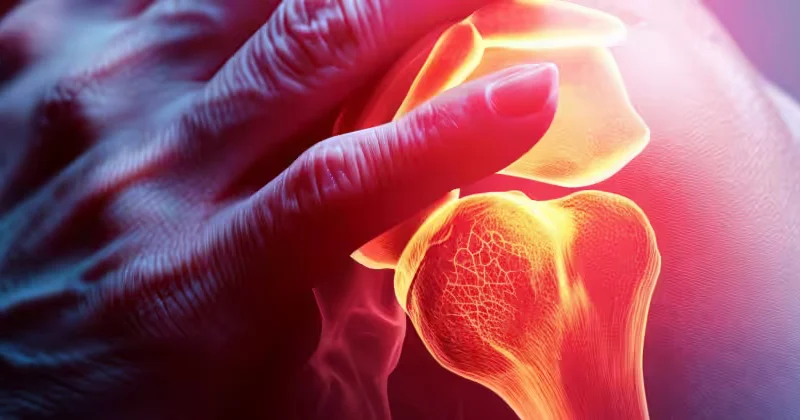
What is shoulder arthroscopy?
Arthroscopy is a technique in which the surgeon inserts into the joint a thin instrument with a miniature camera and lighting —the arthroscope— which transmits a high-definition image to a monitor. Through additional small incisions, specialised instruments are inserted to repair the damage.
The method allows both diagnosis (direct visual inspection of the structures of the joint) and treatment in the same operation, without the need for a large open incision. This minimises surgical trauma to healthy tissues, reduces pain and speeds up recovery.
When is shoulder arthroscopy indicated?
Shoulder arthroscopy is used to treat a wide variety of conditions, such as:
- Rotator cuff tear: Arthroscopic repair of the rotator cuff tendons is one of the most common indications.
- Subacromial impingement syndrome: Removal of bony spurs and decompression of the space beneath the acromion.
- Instability and dislocation of the shoulder: Repair of the structures that stabilise the joint (e.g. repair of the labrum — Bankart lesion).
- Injuries to the labrum (e.g. SLAP lesions).
- Calcific tendonitis: Removal of the calcium deposits.
- Frozen shoulder: Arthroscopic release of the contracted joint capsule in resistant cases.
- Removal of inflamed synovium or loose bodies.
The indication is always established after clinical examination and imaging (mainly MRI).
How the operation is performed
Shoulder arthroscopy is performed under general anaesthesia, often with the addition of a regional nerve block. The patient is placed in a special position and the surgeon makes a few small incisions (of a few millimetres) around the shoulder. The arthroscope is inserted through one of them and the surgical instruments through the others.
The joint is gently distended with sterile fluid, to create space and a clear field of view. The surgeon inspects all the structures in detail and proceeds to repair the damage. The duration of the operation depends on the nature and complexity of the problem. In most cases it is a day-case procedure.
Before the operation
Preparation includes the necessary preoperative laboratory, cardiological and anaesthetic work-up, as well as the imaging (mainly MRI) that “maps” the lesions. The patient is informed about the procedure and the individualised rehabilitation plan, which depends directly on the type of procedure performed.
Postoperative course and rehabilitation
Rehabilitation after shoulder arthroscopy depends to a large extent on the type of procedure. A simple decompression allows a relatively quick return, whereas a rotator cuff repair or a stabilisation for instability requires a more prolonged and careful programme, with protection of the repair.
Often, the shoulder is temporarily immobilised in a sling. The physiotherapy programme starts gradually, focusing initially on regaining range of motion and then on muscle strengthening. Faithful adherence to the programme is decisive, especially after tendon repair, where premature loading can jeopardise healing.
Rehabilitation according to the condition
Because shoulder arthroscopy covers a wide variety of conditions, the rehabilitation programme differs considerably depending on the procedure:
- Subacromial decompression: relatively rapid rehabilitation, with a progressive return within a few weeks.
- Rotator cuff repair: more prolonged and careful rehabilitation, with protection of the repair (often with a sling) for weeks, so that the tendon can heal.
- Stabilisation for instability (Bankart repair): a careful programme, with a gradual return to sporting activities.
- Removal of a calcium deposit or capsular release: faster return, with emphasis on regaining range of motion.
The surgeon sets the individualised programme and the milestones of progress, which the patient must follow faithfully for an excellent result.
Historical development and significance
Arthroscopy has transformed shoulder surgery. Conditions that formerly required extensive open surgery —with large incisions, considerable injury to the muscles and a long recovery— are today treated through incisions of a few millimetres. The ability to inspect directly all the structures of the joint, combined with specialised instruments, allows accurate diagnosis and targeted repair with minimal burden on healthy tissues. Shoulder arthroscopy has thus become established as one of the most reliable and effective techniques in modern orthopedics.
Advantages of arthroscopy
Shoulder arthroscopy offers significant advantages over open surgery: minimal surgical trauma to healthy tissues, small and discreet scars, reduced postoperative pain, faster recovery, the possibility of discharge on the same day and a low complication rate. Complications are uncommon and include, as is the case with every surgical procedure, the small risk of infection, thrombosis or stiffness.
Subacromial impingement syndrome
One of the most common indications for shoulder arthroscopy is subacromial impingement syndrome. This is a condition in which the tendons of the rotator cuff “rub” and are compressed in the narrow space beneath the acromion (a bony projection of the scapula), particularly when the arm is raised.
This chronic impingement causes inflammation and pain and, over time, may contribute to a rotator cuff tear. When conservative treatment (physiotherapy, anti-inflammatory medication, injections) is not sufficient, arthroscopic subacromial decompression —with removal of the bony spurs and the inflamed tissue— can effectively relieve the patient and protect the rotator cuff. Recognising and treating the syndrome early is important, as it can prevent more extensive damage.
Cost of shoulder arthroscopy
The cost varies according to the type and complexity of the procedure (decompression, rotator cuff repair, stabilisation for instability), the materials that may be used (e.g. suture anchors), the clinic and the class of room, as well as the insurance cover. In most cases, private insurance policies and insurance funds cover a significant part of the expense.
Precise information is given on an individual basis, after the clinical assessment. The practice is at your disposal for any relevant information.
More on the factors that determine the cost and on cover by insurance funds: Cost of surgery.
Diagnosis and treatment in a single operation
One of the key advantages of shoulder arthroscopy is its dual role. It serves as a highly accurate diagnostic tool, allowing direct visual inspection of all the structures of the joint — information that no imaging modality can provide with the same certainty. At the same time, in the same operation, it becomes therapeutic: once the lesion has been identified, the surgeon proceeds to repair it.
This combination of diagnosis and treatment in one operation —without the need for a second procedure— is one of the most important advantages of the method and one of the reasons why it has become established in shoulder surgery.
Frequently asked questions
Which conditions are treated arthroscopically?
Rotator cuff tears, subacromial impingement syndrome, instability and dislocation, injuries to the labrum, calcific tendonitis, frozen shoulder (in resistant cases) and other conditions.
Is shoulder arthroscopy painful?
Postoperative pain is effectively controlled with modern analgesic protocols and a regional nerve block. Thanks to the minimally invasive nature of the technique, it is, as a rule, milder than after open surgery.
Will I need a sling after the operation?
Often, yes — especially after a rotator cuff repair or a stabilisation, in order to protect the repair. How long it is worn depends on the type of procedure.
When will I return to my activities?
It depends on the procedure: from a few weeks after a simple decompression to several months after a rotator cuff repair or a stabilisation. The return is gradual.
Is the cost covered by insurance?
In most cases, private insurance policies and insurance funds cover part or all of the expense. The practice can give you detailed information.
How long does the operation take?
The duration depends on the type and complexity of the procedure. A simple decompression takes less time, whereas a rotator cuff repair or a stabilisation for instability takes longer. In most cases it is a day-case procedure.
Contact
Book an appointment with Dr. Tsarouhas
Fill in the form with the time that suits you and we will contact you, or call us directly.
Call us 210 6464 744-
Petroupoli 1 Agias Triados St., 132 31 210 5011 717
-
Heraklion, Crete 49 Kyrillou Loukareos St., 712 01
Appointment request
We reply to every request on the same or the next working day.
Your details are used solely to contact you.