
Orthopedic Conditions
Shoulder
Shoulder pain is among the three commonest musculoskeletal complaints. Behind the same symptom sit entirely different conditions with entirely different treatments, which is why precise diagnosis matters so much here.
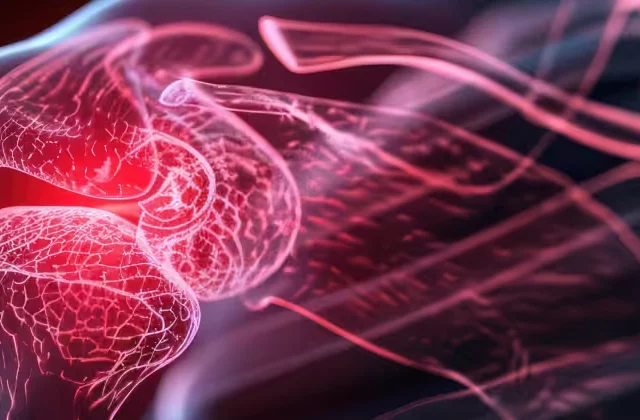 Calcific Tendonitis
Calcific tendonitis of the shoulder is a condition in which calcium deposits form within the tendons of the rotator cuff, causing – often – severe pain…
Learn more
Calcific Tendonitis
Calcific tendonitis of the shoulder is a condition in which calcium deposits form within the tendons of the rotator cuff, causing – often – severe pain…
Learn more
 Frozen Shoulder
Frozen shoulder (or adhesive capsulitis) is a condition in which the joint capsule of the shoulder becomes inflamed and gradually contracts, causing intense pain and a…
Learn more
Frozen Shoulder
Frozen shoulder (or adhesive capsulitis) is a condition in which the joint capsule of the shoulder becomes inflamed and gradually contracts, causing intense pain and a…
Learn more
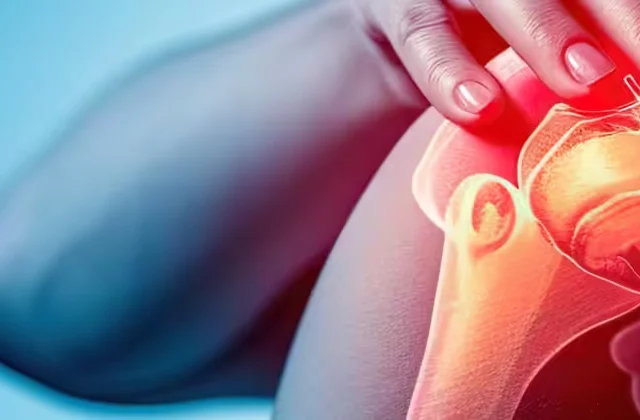 Rotator Cuff Tears
Rotator cuff tears are one of the most common causes of shoulder pain and dysfunction, particularly in middle-aged and older people, but also in athletes. The…
Learn more
Rotator Cuff Tears
Rotator cuff tears are one of the most common causes of shoulder pain and dysfunction, particularly in middle-aged and older people, but also in athletes. The…
Learn more
 Shoulder Arthritis
Osteoarthritis of the shoulder is a degenerative condition in which the articular cartilage of the shoulder joint progressively wears away, causing pain, stiffness and restricted movement.…
Learn more
Shoulder Arthritis
Osteoarthritis of the shoulder is a degenerative condition in which the articular cartilage of the shoulder joint progressively wears away, causing pain, stiffness and restricted movement.…
Learn more
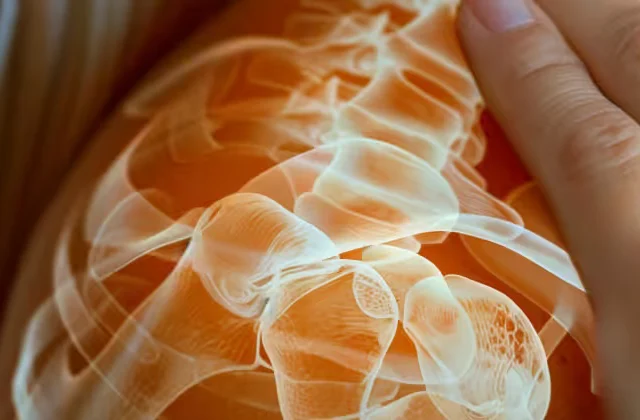 Shoulder Dislocation – Instability
The shoulder is the most mobile joint of the human body and, for precisely this reason, also the most prone to dislocation and instability. Dislocation of…
Learn more
Shoulder Dislocation – Instability
The shoulder is the most mobile joint of the human body and, for precisely this reason, also the most prone to dislocation and instability. Dislocation of…
Learn more
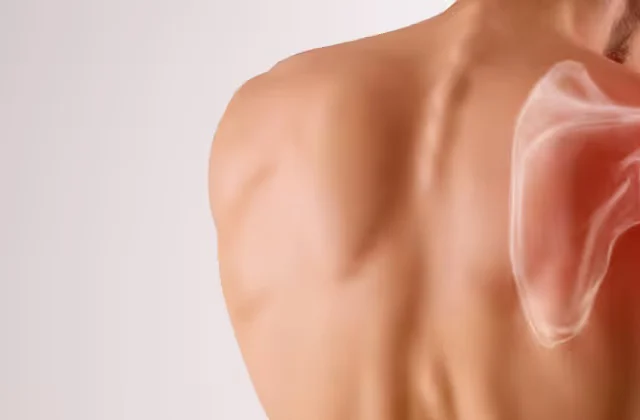 Shoulder Fractures
Fractures of the shoulder are injuries that involve the bones around the shoulder joint – mainly the upper (proximal) part of the humerus, the clavicle and,…
Learn more
Shoulder Fractures
Fractures of the shoulder are injuries that involve the bones around the shoulder joint – mainly the upper (proximal) part of the humerus, the clavicle and,…
Learn more
Telling them apart
Pain on raising the arm above shoulder height, weakness, and night pain when lying on the affected side point to a rotator cuff tear. Progressive loss of movement in every direction, including passively, means frozen shoulder. Sudden, severe pain arising without injury suggests calcific tendonitis. A sense that the shoulder is about to slip out in certain positions means instability.
Age as a guide
Under thirty, the problem is usually instability. Between forty and sixty, frozen shoulder and calcific tendonitis dominate, with a clear female predominance. Over fifty, rotator cuff tears become the leading cause. Beyond sixty, arthritis and fractures after a fall are added to the list.
Conservative treatment first
The large majority of shoulder conditions improve with targeted physiotherapy, activity modification and selective injections. Surgery has clear indications: a traumatic tear in a younger patient, recurrent dislocation, or failure of at least three months of properly delivered conservative care.
Contact
Book an appointment with Dr. Tsarouhas
Fill in the form with the time that suits you and we will contact you, or call us directly.
Call us 210 6464 744-
Petroupoli 1 Agias Triados St., 132 31 210 5011 717
-
Heraklion, Crete 49 Kyrillou Loukareos St., 712 01
Appointment request
We reply to every request on the same or the next working day.
Your details are used solely to contact you.