
Orthopedic condition
Shoulder Fractures
Fractures of the shoulder are injuries that involve the bones around the shoulder joint – mainly the upper (proximal) part of the humerus, the clavicle and, more rarely, the scapula. They are common, particularly in elderly patients with osteoporosis after a fall, but also in younger patients after a high-energy injury.
Dr. Ioannis Tsarouhas, Orthopedic Surgeon with extensive experience in trauma surgery, treats shoulder fractures with modern techniques, choosing conservative or surgical treatment on an individual basis.
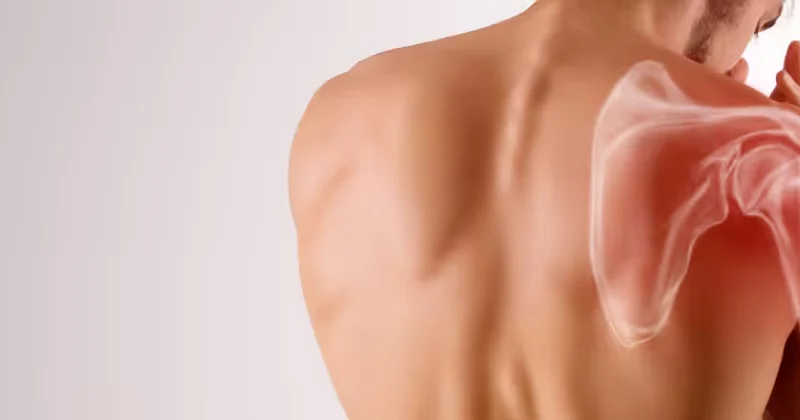
Types of shoulder fracture
Depending on the bone involved, fractures in the shoulder region are divided into:
- Fractures of the upper (proximal) part of the humerus: The most common “shoulder fractures”, involving the head and neck of the humerus. They are particularly common in elderly patients with osteoporosis.
- Fractures of the clavicle: Very common, particularly in younger people and athletes, after a fall onto the shoulder or onto the outstretched arm.
- Fractures of the scapula: Less common, usually resulting from a high-energy injury.
Each type has its own characteristics and its own treatment approach.
Causes and risk factors
In the elderly, fractures of the proximal humerus are usually caused by a simple fall, with osteoporosis as the underlying factor. In younger patients, shoulder fractures are as a rule caused by high-energy injuries (road traffic accidents, sports injuries, falls from a height). Fractures of the clavicle are particularly common in sports and cycling.
Clinical presentation – Symptoms
The symptoms of a shoulder fracture are as a rule clear:
- Severe pain in the area, which gets worse with any attempt to move.
- Swelling and ecchymosis (bruising).
- Deformity of the area, particularly in fractures of the clavicle, where it is often visible.
- Inability to move the arm and the shoulder.
- Tenderness when the area is palpated.
Diagnosis
The diagnosis is made by clinical examination and X-rays, which show the fracture, its location and its degree of displacement. In complex fractures – particularly of the proximal humerus – a computed tomography (CT) scan provides a detailed three-dimensional picture, which is essential for planning treatment. A complete work-up also includes assessment for any associated injuries to nerves or blood vessels.
Treatment
Treatment depends on the type of fracture, the degree of displacement, and the patient’s age and level of activity. The aim is to restore anatomy and function, with the earliest possible safe mobilisation.
Conservative treatment
Many shoulder fractures – particularly those that are not displaced – are treated conservatively. Treatment includes immobilisation in a special arm sling (brace) for a period of time, pain control, and a gradual start to physiotherapy to restore movement. The majority of clavicle fractures and many non-displaced fractures of the humerus heal well with this approach.
Surgical treatment
In displaced or complex fractures, surgical treatment is indicated. Depending on the case, this may include:
- Osteosynthesis: Stabilisation of the fracture with metal implants (plates, screws or nails), preserving the natural bone. It is the most common surgical option.
- Arthroplasty: In certain severe, comminuted fractures of the humeral head in elderly patients, where osteosynthesis is not feasible, replacement of the joint may be needed (often a reverse shoulder arthroplasty).
The importance of timely and proper treatment
Proper treatment of a shoulder fracture is decisive for the final functional outcome. The shoulder is a joint that “punishes” prolonged immobility with stiffness: excessively long immobilisation can lead to permanent restriction of movement, even if the fracture has healed well.
This is why the modern approach seeks a balance between the necessary protection of the fracture and the earliest possible safe mobilisation. The surgeon determines, on an individual basis, the appropriate timetable: when the sling will be removed, when gentle movements will begin and when strengthening will start. It is this careful balance that ensures the best possible outcome.
Fracture prevention
In the elderly, the prevention of shoulder fractures focuses on two areas: treating osteoporosis (with medication where indicated, and adequate intake of calcium and vitamin D) and preventing falls. Fall-prevention measures include making the home environment safe, good lighting, having eyesight checked, reviewing medication that causes dizziness, and strengthening the muscles with regular exercise to improve balance.
Rehabilitation
Rehabilitation after a shoulder fracture is a gradual process that requires patience. After an initial period of protection (in a sling), physiotherapy begins progressively, at first with gentle movements and then with active exercises and strengthening. The aim is to regain the range of motion and the strength of the shoulder. Recovery time depends on the type of fracture and the method of treatment, while in the elderly the treatment of the underlying osteoporosis also plays an important role.
Cost of treatment
The cost depends on the type of fracture and the kind of treatment (conservative, osteosynthesis or arthroplasty), the materials, the hospital and the length of stay, as well as insurance cover. As this is often an injury, it is covered in most cases by insurance funds and private insurance policies.
Precise information is given on an individual basis. The clinic is at your disposal for any relevant information.
More about the factors that determine the cost and about cover by insurance funds: Cost of surgery.
Holistic care, particularly in the elderly
The treatment of a shoulder fracture in an elderly patient is not limited to the fracture itself. These are often patients with other health problems as well, which is why their care requires a holistic approach: proper pain management, structured rehabilitation, treatment of the underlying osteoporosis and prevention of further falls.
The aim is not only for the fracture to heal, but for the patient to return to their previous level of independence and upper limb function. Close cooperation between the Orthopedic Surgeon, the other specialties and the patient’s family is important in achieving this goal.
Frequently asked questions
Does a shoulder fracture always need surgery?
No. Many fractures – particularly non-displaced ones and the majority of clavicle fractures – are treated conservatively, with a sling and physiotherapy. Surgery is indicated in displaced or complex fractures.
How long will I wear the sling?
The period of immobilisation depends on the type of fracture and the method of treatment. Early, gradual mobilisation – under the doctor’s guidance – is important to avoid stiffness.
Will I regain full movement in my shoulder?
Most patients regain good function with proper treatment and physiotherapy. The final result depends on the type of fracture, the method of treatment and consistency with rehabilitation.
Why is osteoporosis important?
In the elderly, osteoporosis is the underlying cause of most shoulder fractures. Treating it is important for preventing new fractures.
Is the cost covered by insurance?
As this is often an injury, it is covered in most cases by insurance funds and private insurance policies. The clinic can give you detailed information.
How long does a shoulder fracture take to heal?
Healing time varies depending on the type of fracture and the patient’s age and general condition, but it is usually a matter of a few weeks. Full functional recovery, with physiotherapy, may take longer.
Is a clavicle fracture dangerous?
Most clavicle fractures heal well with conservative treatment. Surgical treatment is reserved for displaced or complex fractures, or when there are specific indications.
Contact
Book an appointment with Dr. Tsarouhas
Fill in the form with the time that suits you and we will contact you, or call us directly.
Call us 210 6464 744-
Petroupoli 1 Agias Triados St., 132 31 210 5011 717
-
Heraklion, Crete 49 Kyrillou Loukareos St., 712 01
Appointment request
We reply to every request on the same or the next working day.
Your details are used solely to contact you.